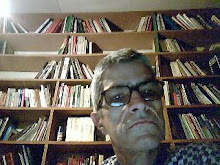
Praia, 22 Agosto – Várias centenas de apoiantes de Jorge Carlos Fonseca saudaram, esta noite, em frente à sede de campanha a vitória do candidato apoiado pelo MpD, pela vitória nas presidenciais de domingo em Cabo Verde. Entre vivas e abraços, “Zona” teve de ser conduzido por um forte dispositivo de segurança para fazer o seu discurso de vitória na segunda volta destas eleições.
"Respeito o Governo legítimo de Cabo Verde”, disse Fonseca, acrescentando que o relacionamento com José Maria Neves, o Chefe do Governo, “será normal”.
Mas antes, o próximo Presidente da República de Cabo Verde, o quarto e terceiro eleito democraticamente, fez questão de saudar o povo cabo-verdiano, que, nas ilhas e nas comunidades no exterior, lhe ofereceu esta vitória eleitoral e que o elegeu como Chefe de Estado, afirmando que irá procurar merecer a confiança que lhe foi dada hoje nas urnas”.
Jorge Carlos Fonseca aproveitou ainda para tranquilizar os cabo-verdianos, garantindo que cumprirá “escrupulosamente, o compromisso" de ser "um presidente que exercerá de facto uma magistratura activa no plano político e moral na sociedade cabo-verdiana", sem prescindir "em caso algum, dos poderes que a Constituição confere ao Presidente da República”.
De acordo com o novo Presidente “ser eleito Presidente de Cabo Verde, no actual contexto e com tantos desafios que vivemos actualmente, impõe uma enorme responsabilidade sobre os ombros”. E uma delas tem a ver com a democracia cabo-verdiana. "Eu, como Presidente da República, darei o meu contributo para que a democracia seja cada vez mais moderna e mais avançada”.
Liberal

18.8.11
Chávez nacionalizou indústria venezuelana do ouro
Chávez anunció ayer que el decreto para nacionalizar esta industria estará listo en los próximos días e hizo un llamamiento a los militares para que controlen el sector. "Tengo aquí las leyes que permiten al Estado explotar el oro y todas las actividades relacionadas con él... Vamos a nacionalizar el oro y vamos a transformarlo, junto con otros elementos, en reservas internacionales, porque su valor continúa creciendo", dijo el presidente venezolano ayer en una llamada telefónica difundida por televisión.
La decisión se produce en un momento en el que el precio del oro marca máximos históricos. El incremento de la demanda de los inversores por este metal, al que acuden para cubrirse ante el incremento de la volatilidad y las turbulencias en los mercados de renta variable -Bolsas- y renta fija -deuda-, ha impulsado su precio hasta un nuevo récord.
Además, el anuncio de Chávez coincide con una información difundida por un diputado de la oposición, que revela que los máximos responsables de finanzas del país recomiendan al presidente la repatriación del 90% de las reservas de oro que Venezuela tiene en el extranjero. El Gobierno no ha comentado nada sobre este asunto, pero Chávez dijo en su mensaje de ayer: "Hemos logrado incrementar las reservas internacionales. Tenemos entre 12.000 y 13.000 millones de dólares en reservas de oro. No podemos permitir que continúen en bancos extranjeros".
El País
La decisión se produce en un momento en el que el precio del oro marca máximos históricos. El incremento de la demanda de los inversores por este metal, al que acuden para cubrirse ante el incremento de la volatilidad y las turbulencias en los mercados de renta variable -Bolsas- y renta fija -deuda-, ha impulsado su precio hasta un nuevo récord.
Además, el anuncio de Chávez coincide con una información difundida por un diputado de la oposición, que revela que los máximos responsables de finanzas del país recomiendan al presidente la repatriación del 90% de las reservas de oro que Venezuela tiene en el extranjero. El Gobierno no ha comentado nada sobre este asunto, pero Chávez dijo en su mensaje de ayer: "Hemos logrado incrementar las reservas internacionales. Tenemos entre 12.000 y 13.000 millones de dólares en reservas de oro. No podemos permitir que continúen en bancos extranjeros".
El País
16.8.11
Fraquíssimo Sudão do Sul quer ajudar a Somália
South Sudan has offered to send African Union troops to Somalia to back the weak interim government.
South Sudan, which became independent on 9 July, made the offer on the day it joined the African Union (AU).
The AU has 9,000 troops in Somalia, but it says it needs up to 20,000 soldiers to repel the Islamist group, al-Shabab.
Deng Alor Kuol, South Sudan's foreign affairs minister, said the new state was prepared to bolster the force to show its commitment to peace in Africa.
"It is part of our responsibility to help our Somali brothers and sisters to achieve peace," he told the BBC's Focus on Africa programme.
"We, as Africans, must be in the lead to alleviate problems before we ask the Western world, or anyone else, to come and help us."
Modern army?
Offering troops to international peacekeeping missions can be a good way of earning foreign currency for some countries.
The BBC's James Copnall in Sudan's capital, Khartoum, says an estimated 180,000 former rebel and militia fighters now make up South Sudan's army.
But he says there is a lot of work to be done to change the Sudan People's Liberation Army (SPLA) into a disciplined modern army and human rights groups often accuse its soldiers of abuses.
Somalia has been without an effective central government since the fall of the Siad Barre regime in 1991, while a famine has gripped parts of the country since June.
Al-Shabab - which is fighting for Islamic rule and has links to al-Qaeda - controls large swathes of south and central Somalia - including regions worst affected by the drought.
Earlier this month, it said its forces were making a tactical retreat from the capital, Mogadishu.
Afterwards, the AU force commander in Somalia, Maj Gen Fred Mugisha, appealed for an immediate deployment of 3,000 extra troops.
Last year, the UN Security Council approved a 12,000-strong AU force for Somalia, although the AU said it needed 20,000 troops.
Several African countries, including Nigeria and Malawi, have failed to fulfil promises to send troops because they fear being dragged into the long-running conflict.
All the current troops are from Uganda and Burundi.
BBC
South Sudan, which became independent on 9 July, made the offer on the day it joined the African Union (AU).
The AU has 9,000 troops in Somalia, but it says it needs up to 20,000 soldiers to repel the Islamist group, al-Shabab.
Deng Alor Kuol, South Sudan's foreign affairs minister, said the new state was prepared to bolster the force to show its commitment to peace in Africa.
"It is part of our responsibility to help our Somali brothers and sisters to achieve peace," he told the BBC's Focus on Africa programme.
"We, as Africans, must be in the lead to alleviate problems before we ask the Western world, or anyone else, to come and help us."
Modern army?
Offering troops to international peacekeeping missions can be a good way of earning foreign currency for some countries.
The BBC's James Copnall in Sudan's capital, Khartoum, says an estimated 180,000 former rebel and militia fighters now make up South Sudan's army.
But he says there is a lot of work to be done to change the Sudan People's Liberation Army (SPLA) into a disciplined modern army and human rights groups often accuse its soldiers of abuses.
Somalia has been without an effective central government since the fall of the Siad Barre regime in 1991, while a famine has gripped parts of the country since June.
Al-Shabab - which is fighting for Islamic rule and has links to al-Qaeda - controls large swathes of south and central Somalia - including regions worst affected by the drought.
Earlier this month, it said its forces were making a tactical retreat from the capital, Mogadishu.
Afterwards, the AU force commander in Somalia, Maj Gen Fred Mugisha, appealed for an immediate deployment of 3,000 extra troops.
Last year, the UN Security Council approved a 12,000-strong AU force for Somalia, although the AU said it needed 20,000 troops.
Several African countries, including Nigeria and Malawi, have failed to fulfil promises to send troops because they fear being dragged into the long-running conflict.
All the current troops are from Uganda and Burundi.
BBC
Militares israelitas têm demasiado poder
It’s time to slash Israel's military budget
By Nehemia Shtrasler, Haaretz
All of Barak’s talk about social sensitivity is only deception. He is demanding an addition to his budget, when he knows very well that without a deep cut in defense, it will be impossible to respond to even a small part of the tent protest.
I almost stopped breathing when I heard the words of MK Shaul Mofaz (Kadima), chairman of the Knesset Foreign Affairs and Defense Committee: “We have to open the defense budget already today, and to cut back. Don’t let them threaten us, because I won’t panic.”
What courage, what power!
And Mofaz continued: “Channeling budgets to social welfare is a strategic move that is as important as any ambitious and pretentious project of the defense establishment. We have to spread out and streamline the project. We have to transfer the Israel Defense Forces to the outlying areas,” he said, striking out mercilessly at the sacred defense cow.
But the moment I recovered and resumed breathing as usual, I recalled that Mofaz was once chief of staff and then defense minister too. During those not so distant days, he used to speak in the cabinet about “the poverty and the gaps that are destroying society,” but demand additional funds for the IDF in the very same breath. “You’re experts at harming the weak,” he would say to the officials at the Finance Ministry, and immediately thereafter demand another NIS 1.5 billion for the army, arguing that if it were not paid immediately, the IDF would be unable to defend the Jewish people. How frightening!
At the time, Mofaz would invite a large group of senior officers, including the chief of staff, to the cabinet sessions, and they would describe the surrounding threats to the ministers, with the aid of sophisticated PowerPoint presentations showing frightening red arrows directed straight into the heart of the country. The stunned ministers would quake with fear, and the prime minister would ponder the next commission of inquiry − and they would all approve the additional funds.
And it made no difference that Israel’s strategic situation had actually improved at the time, with the eastern front against it having collapsed when Iraq fell, and America a presence in the heart of the Arab world.
This is precisely the tactic of incumbent Defense Minister Ehud Barak. On the one hand, he talks about the importance of the social protest and about the fact that his Atzmaut Party “was formed with the precise purpose of dealing with social injustices.” Interesting; we actually thought it was formed in order to provide jobs for several party hacks. And then, in the very same breath, he goes on to say, “We have to remember that we aren’t living in Switzerland. Look what’s happening around us in Egypt, Syria, Tunisia, Bahrain and Iran.” In other words, the scare tactics continue.
By Nehemia Shtrasler, Haaretz
All of Barak’s talk about social sensitivity is only deception. He is demanding an addition to his budget, when he knows very well that without a deep cut in defense, it will be impossible to respond to even a small part of the tent protest.
I almost stopped breathing when I heard the words of MK Shaul Mofaz (Kadima), chairman of the Knesset Foreign Affairs and Defense Committee: “We have to open the defense budget already today, and to cut back. Don’t let them threaten us, because I won’t panic.”
What courage, what power!
And Mofaz continued: “Channeling budgets to social welfare is a strategic move that is as important as any ambitious and pretentious project of the defense establishment. We have to spread out and streamline the project. We have to transfer the Israel Defense Forces to the outlying areas,” he said, striking out mercilessly at the sacred defense cow.
But the moment I recovered and resumed breathing as usual, I recalled that Mofaz was once chief of staff and then defense minister too. During those not so distant days, he used to speak in the cabinet about “the poverty and the gaps that are destroying society,” but demand additional funds for the IDF in the very same breath. “You’re experts at harming the weak,” he would say to the officials at the Finance Ministry, and immediately thereafter demand another NIS 1.5 billion for the army, arguing that if it were not paid immediately, the IDF would be unable to defend the Jewish people. How frightening!
At the time, Mofaz would invite a large group of senior officers, including the chief of staff, to the cabinet sessions, and they would describe the surrounding threats to the ministers, with the aid of sophisticated PowerPoint presentations showing frightening red arrows directed straight into the heart of the country. The stunned ministers would quake with fear, and the prime minister would ponder the next commission of inquiry − and they would all approve the additional funds.
And it made no difference that Israel’s strategic situation had actually improved at the time, with the eastern front against it having collapsed when Iraq fell, and America a presence in the heart of the Arab world.
This is precisely the tactic of incumbent Defense Minister Ehud Barak. On the one hand, he talks about the importance of the social protest and about the fact that his Atzmaut Party “was formed with the precise purpose of dealing with social injustices.” Interesting; we actually thought it was formed in order to provide jobs for several party hacks. And then, in the very same breath, he goes on to say, “We have to remember that we aren’t living in Switzerland. Look what’s happening around us in Egypt, Syria, Tunisia, Bahrain and Iran.” In other words, the scare tactics continue.
5.8.11
A fome nos Estados Unidos
Près de 46 millions d'Américains, soit 15 % de la population, vivait en avril 2011 grâce à des bons alimentaires, a indiqué vendredi 5 août le ministère de l'agriculture des Etats-Unis. Ce chiffre record a augmenté de 2,5 % entre mai 2010 et avril 2011.
Les Etats où les allocataires sont les plus nombreux sont le Texas (3,9 millions), la Californie (3,7 millions), la Floride (3 millions) et New York (3 millions). L'Alabama, Etat du Sud, a pour sa part doublé le nombre de ses allocataires, passant de 800 000 à plus de 1,7 million. Ce bond spectaculaire est dû en grande partie, selon un responsable du ministère, à la série de tornades qui a touché fin avril cet Etat, faisant 210 morts, plus de 1 700 blessés et des destructions massives.
Les bons alimentaires, qui font partie du programme SNAP d'assistance supplémentaire à l'alimentation, peuvent être demandés sous conditions, en fonction notamment d'un plafond mensuel de ressources selon la taille de la famille. Pour une famille de quatre personnes, ce plafond est fixé à 2 389 dollars. Le montant moyen de cette allocation est de 300 dollars. Les bons peuvent être échangés en supermarché contre des produits alimentaires, mais pas contre des sandwichs, des produits traiteurs ou de l'alcool.
Le Monde
Les Etats où les allocataires sont les plus nombreux sont le Texas (3,9 millions), la Californie (3,7 millions), la Floride (3 millions) et New York (3 millions). L'Alabama, Etat du Sud, a pour sa part doublé le nombre de ses allocataires, passant de 800 000 à plus de 1,7 million. Ce bond spectaculaire est dû en grande partie, selon un responsable du ministère, à la série de tornades qui a touché fin avril cet Etat, faisant 210 morts, plus de 1 700 blessés et des destructions massives.
Les bons alimentaires, qui font partie du programme SNAP d'assistance supplémentaire à l'alimentation, peuvent être demandés sous conditions, en fonction notamment d'un plafond mensuel de ressources selon la taille de la famille. Pour une famille de quatre personnes, ce plafond est fixé à 2 389 dollars. Le montant moyen de cette allocation est de 300 dollars. Les bons peuvent être échangés en supermarché contre des produits alimentaires, mais pas contre des sandwichs, des produits traiteurs ou de l'alcool.
Le Monde
Empréstimo a um rei absoluto e polígamo
South Africa has agreed to a R2.4bn ($370m) bail-out loan for neighbouring Swaziland, Africa’s last absolute monarchy which has been struggling with an economic crisis and growing social unrest.
The small kingdom has been plagued by financial problems after revenue from the Southern African Customs Union, which had accounted for about 60 per cent of the government’s revenue, collapsed in 2010 and 2011.
The economic crisis, coupled with calls for greater democracy, triggered unprecedented protests against the rule of King Mswati III earlier this year.
Pravin Gordhan, South Africa’s finance minister, said the first tranche of the loan would be disbursed this month. He said that some conditions would be attached to the loan, including Swaziland’s government taking “confidence building measures” such as the promotion of democracy and human rights; and implementing fiscal reforms required by the International Monetary Fund.
“It’s not in our interest to have an economy in trouble that could place a burden on the South African government,” Mr Gordhan said.
Swazi activists and the Congress of South African Trade Unions, a key member of South Africa’s governing alliance, have repeatedly insisted that any South African aid to its neighbour should be tied to political reforms.
The Swaziland Solidarity Network, a dissident group based in South Africa, described the loan as a “betrayal of the people”, Reuters reported.
In April, security forces beat protesters and used tear gas and water cannons to quash pro-democracy demonstrations. Activists complain that King Mswati, who has at least a dozen wives, enjoys a lavish lifestyle and runs his country of about 1m people as a fiefdom while many ordinary people struggle with poverty and unemployment.
Dimpho Motsamai, a researcher at the Pretoria-based Institute for Security Studies, said that unless the conditions were detailed and followed up, the loan would a “band aid solution”.
She said regional powers needed to push King Mswati to implement serious political reforms if the causes of Swaziland’s problems were to be addressed.
Financial Times
The small kingdom has been plagued by financial problems after revenue from the Southern African Customs Union, which had accounted for about 60 per cent of the government’s revenue, collapsed in 2010 and 2011.
The economic crisis, coupled with calls for greater democracy, triggered unprecedented protests against the rule of King Mswati III earlier this year.
Pravin Gordhan, South Africa’s finance minister, said the first tranche of the loan would be disbursed this month. He said that some conditions would be attached to the loan, including Swaziland’s government taking “confidence building measures” such as the promotion of democracy and human rights; and implementing fiscal reforms required by the International Monetary Fund.
“It’s not in our interest to have an economy in trouble that could place a burden on the South African government,” Mr Gordhan said.
Swazi activists and the Congress of South African Trade Unions, a key member of South Africa’s governing alliance, have repeatedly insisted that any South African aid to its neighbour should be tied to political reforms.
The Swaziland Solidarity Network, a dissident group based in South Africa, described the loan as a “betrayal of the people”, Reuters reported.
In April, security forces beat protesters and used tear gas and water cannons to quash pro-democracy demonstrations. Activists complain that King Mswati, who has at least a dozen wives, enjoys a lavish lifestyle and runs his country of about 1m people as a fiefdom while many ordinary people struggle with poverty and unemployment.
Dimpho Motsamai, a researcher at the Pretoria-based Institute for Security Studies, said that unless the conditions were detailed and followed up, the loan would a “band aid solution”.
She said regional powers needed to push King Mswati to implement serious political reforms if the causes of Swaziland’s problems were to be addressed.
Financial Times
A pior crise financeira desde a II Guerra Mundial
It is nearly four years since the day, 9 August 2007, which for many of us marks the start of the credit crunch - that in turn precipitated both the worst global banking crisis and recession for at least 70 years.
Banks and financial investors lost confidence that they could any longer value the trillions of dollars of financial products - asset backed securities, collateralised debt obligations - manufactured out of housing loans, especially poor-quality subprime housing loans.
So banks like Northern Rock and HBOS could no longer finance themselves by selling such financial products, which led directly to their respective collapses. And banks in general found it increasingly difficult to raise money, because of a generalised panic that their respective balance sheets were stuffed to the gunnels with near worthless assets.
When banks can't borrow, they can't lend. When businesses and households find it hard to borrow, an economic slowdown is the consequence. So over the subsequent nine months, credit crunch led to recession - which became acute in the autumn of 2008, when financial markets seized up altogether after the failure of Lehman (though all through the summer and early autumn of 2008, there was a steady erosion of confidence in the integrity of the financial system, especially after the collapse of the US state-backed housing-finance providers, Fannie Mae and Freddie Mac).
Today's financial crisis can be traced directly to those momentous events.
The response of governments around the world to the financial crisis and recession was to keep or even increase public spending, at a time of falling tax revenues, to compensate for the collapse of household consumption and private-sector investment.
In other words, they ran abnormally high public sector deficits - peaking at deficits in the UK, US and parts of the eurozone at 10% or more of GDP - to prevent a global recession becoming a global depression.
Robert Peston/BBC
Banks and financial investors lost confidence that they could any longer value the trillions of dollars of financial products - asset backed securities, collateralised debt obligations - manufactured out of housing loans, especially poor-quality subprime housing loans.
So banks like Northern Rock and HBOS could no longer finance themselves by selling such financial products, which led directly to their respective collapses. And banks in general found it increasingly difficult to raise money, because of a generalised panic that their respective balance sheets were stuffed to the gunnels with near worthless assets.
When banks can't borrow, they can't lend. When businesses and households find it hard to borrow, an economic slowdown is the consequence. So over the subsequent nine months, credit crunch led to recession - which became acute in the autumn of 2008, when financial markets seized up altogether after the failure of Lehman (though all through the summer and early autumn of 2008, there was a steady erosion of confidence in the integrity of the financial system, especially after the collapse of the US state-backed housing-finance providers, Fannie Mae and Freddie Mac).
Today's financial crisis can be traced directly to those momentous events.
The response of governments around the world to the financial crisis and recession was to keep or even increase public spending, at a time of falling tax revenues, to compensate for the collapse of household consumption and private-sector investment.
In other words, they ran abnormally high public sector deficits - peaking at deficits in the UK, US and parts of the eurozone at 10% or more of GDP - to prevent a global recession becoming a global depression.
Robert Peston/BBC
Assinar:
Postagens (Atom)