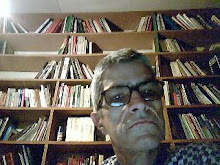
Dez vectores propostos por Marcolino Moco para a reestruturação de Angola:
1-O respeito pelos direitos humanos fundamentais
2-O conceito de que governar é servir e não servir-se
3-O conceito de que Angola é uma unidade na diversidade
4-A urgência em despartidarizar o Estado-nação
5-A necessidade de eliminar fantasmas e enterrá-los juntamente com todos os outros “cadáveres psicológicos”
6-O respeito ao princípio republicano da alternância na ocupação de altos cargos de natureza pessoal, especialmente a nível da chefia de Estado e de governo
7-A descentralização e desconcentração efectiva do poder
fim pacífico da espoliação dos recursos nacionais e regionais por uma minoria
9-A libertação e democratização dos meios de comunicação social
10-O regresso ao respeito do princípio de separação formal dos poderes de soberania, com especial realce para a independência formal e efectiva do poder judicial.
http://marcolinomoco.com

11.1.12
A morte anda há 10 meses pelas ruas da Síria
BEIRUT, Jan 11 (Reuters) - Syrian President Bashar al-Assad derided the efforts of Arab League monitors to halt violence against anti-government activists, and a senior U.N. official said Syria had stepped up its killing of protesters after the monitors arrived.
The president said in a speech on Tuesday, his first public address since June, that he was determined to strike the "terrorists" he blames for the 10-month revolt, inspired by other "Arab Spring" uprisings last year.
He made some promises of reform, but no sweeping concessions that might placate an opposition now determined to end more than four decades of domination by the Assad family.
The United Nations has said more than 5,000 civilians have been killed in the largely peaceful protests against Assad, while he says Islamist militants have killed 2,000 members of his security forces.
A senior U.N. official told the Security Council on Tuesday that Syria had accelerated its killing of pro-democracy demonstrators after Arab League monitors arrived to check on implementation of an Arab peace plan, U.S. Ambassador to the United Nations Susan Rice said.
"The under-secretary-general noted that in the days since the Arab League monitoring mission has been on the ground, an estimated 400 additional people have been killed, an average of 40 a day, a rate much higher than was the case before their deployment," Susan Rice told reporters.
Rice was speaking after Lynn Pascoe, U.N. under-secretary-general for political affairs, briefed the 15-nation Security Council behind closed doors on Syria and other major crises. She said the figure did not include more than two dozen people killed in a suicide bombing in Damascus last week.
"That is a clear indication that the government of Syria, rather than using the opportunity ... to end the violence and fulfill all of its commitments (to the Arab League), is instead stepping up the violence," she said.
Assad made scathing remarks about the Arab League, which suspended Syria in November and whose monitors are trying to check Syria's compliance with an Arab peace plan.
The president said in a speech on Tuesday, his first public address since June, that he was determined to strike the "terrorists" he blames for the 10-month revolt, inspired by other "Arab Spring" uprisings last year.
He made some promises of reform, but no sweeping concessions that might placate an opposition now determined to end more than four decades of domination by the Assad family.
The United Nations has said more than 5,000 civilians have been killed in the largely peaceful protests against Assad, while he says Islamist militants have killed 2,000 members of his security forces.
A senior U.N. official told the Security Council on Tuesday that Syria had accelerated its killing of pro-democracy demonstrators after Arab League monitors arrived to check on implementation of an Arab peace plan, U.S. Ambassador to the United Nations Susan Rice said.
"The under-secretary-general noted that in the days since the Arab League monitoring mission has been on the ground, an estimated 400 additional people have been killed, an average of 40 a day, a rate much higher than was the case before their deployment," Susan Rice told reporters.
Rice was speaking after Lynn Pascoe, U.N. under-secretary-general for political affairs, briefed the 15-nation Security Council behind closed doors on Syria and other major crises. She said the figure did not include more than two dozen people killed in a suicide bombing in Damascus last week.
"That is a clear indication that the government of Syria, rather than using the opportunity ... to end the violence and fulfill all of its commitments (to the Arab League), is instead stepping up the violence," she said.
Assad made scathing remarks about the Arab League, which suspended Syria in November and whose monitors are trying to check Syria's compliance with an Arab peace plan.
O assassínio de Juvénal Habyarimana
Pourquoi avoir attendu si longtemps ? Près de dix-huit ans après l'attentat, à Kigali, contre l'avion du président rwandais qui, le 6 avril 1994, allait déclencher cent jours de génocide au Rwanda contre les Tutsis et le massacre de Hutus modérés, un rapport d'expertise présenté aux parties, mardi 10 janvier à Paris par le juge français en charge de l'affaire, Marc Trévidic, apporte enfin des éléments nouveaux et déterminants qui réorientent radicalement l'enquête.
Cette étude technique destinée à localiser le point de départ du tir du missile qui a abattu le Falcon 50 du président hutu Juvénal Habyarimana tend à disculper le Front populaire rwandais (FPR) – l'armée rebelle d'alors, dirigée par l'actuel président rwandais, Paul Kagamé – de la responsabilité de l'attentat. Au contraire, il incrimine, implicitement, le camp adverse, celui des extrémistes hutu, et il enterre un peu plus profondément l'ordonnance du juge Jean-Louis Bruguière établie en 2006 sur la base de témoignages accusant Paul Kagamé. Témoignages qui se sont délités au fil des ans.
L'élément nouveau du rapport des six experts (balistique, acoustique, explosif, cartographie et pilotage) mandatés par le juge Trévidic est d'ordre géographique. Il est déterminant car s'il ne permet pas de dire avec certitude qui a tiré, il permet de resserrer considérablement le champ des investigations.
A l'issue de recherches menées sur les lieux de l'attentat en septembre2010, il ressort en effet que "l'hypothèse privilégiée est celle d'un tir du missile depuis le domaine militaire de Kanombé, contrôlé par des paras commandos et la garde présidentielle [de Juvénal Habyarimana]", nous explique maître Bernard Maingain, avocat des sept Rwandais, dont des proches de Paul Kagamé, inculpés depuis 2006 par le juge Bruguière.
"À QUI PROFITE LE CRIME"
"Le tir des deux missiles, dont le second a abattu l'avion, a pu avoir lieu depuis le camp Kanombé, à proximité des maisons des coopérants belges. La zone de tir que nous privilégions comprend le cimetière (…) et, plus vraisemblablement, le bas du cimetière", peut-on lire, en effet, dans un extrait du rapport publié sur le compte Twitter du journaliste indépendant Frédéric Helbert.
Si les experts privilégient Kanombé, c'est qu'ils excluent dans le même temps que le missile ait pu être tiré depuis la ferme de Masaka. Or cette hypothèse retenue dans le rapport Bruguière incriminait lourdement les troupes de M.Kagamé censées s'être infiltrées dans cette zone idéale militairement pour abattre l'avion peu avant son atterrissage à Kigali. Une infiltration de rebelles du FPR dans le camp surprotégé de Kanombé, jouxtant l'aéroport et la résidence présidentielle, paraît, elle, improbable.
Faute de s'être rendu sur le terrain, le juge Bruguière défendait, lui, une théorie, plus qu'il ne s'appuyait sur des faits. Pour lui, Paul Kagamé, alors sur l'offensive militaire avec ses FPR, aurait commandité l'attentat afin d'empêcher l'application d'un accord politique soutenu par Juvénal Habyarimana et prévoyant la constitution d'un gouvernement d'union nationale. Le président tué, le FPR profitait du chaos et s'emparait de tout le pouvoir par la force des armes sans avoir à passer par des élections – prévues dans les accords d'Arusha signés huit mois plus tôt –, mais que le chef de la minorité Tutsi ne pouvait pas gagner en vertu du poids démographique insuffisant de sa communauté. En d'autres termes, à la question "à qui profite le crime?", le juge Bruguière répondait Paul Kagamé.
Le Monde
Cette étude technique destinée à localiser le point de départ du tir du missile qui a abattu le Falcon 50 du président hutu Juvénal Habyarimana tend à disculper le Front populaire rwandais (FPR) – l'armée rebelle d'alors, dirigée par l'actuel président rwandais, Paul Kagamé – de la responsabilité de l'attentat. Au contraire, il incrimine, implicitement, le camp adverse, celui des extrémistes hutu, et il enterre un peu plus profondément l'ordonnance du juge Jean-Louis Bruguière établie en 2006 sur la base de témoignages accusant Paul Kagamé. Témoignages qui se sont délités au fil des ans.
L'élément nouveau du rapport des six experts (balistique, acoustique, explosif, cartographie et pilotage) mandatés par le juge Trévidic est d'ordre géographique. Il est déterminant car s'il ne permet pas de dire avec certitude qui a tiré, il permet de resserrer considérablement le champ des investigations.
A l'issue de recherches menées sur les lieux de l'attentat en septembre2010, il ressort en effet que "l'hypothèse privilégiée est celle d'un tir du missile depuis le domaine militaire de Kanombé, contrôlé par des paras commandos et la garde présidentielle [de Juvénal Habyarimana]", nous explique maître Bernard Maingain, avocat des sept Rwandais, dont des proches de Paul Kagamé, inculpés depuis 2006 par le juge Bruguière.
"À QUI PROFITE LE CRIME"
"Le tir des deux missiles, dont le second a abattu l'avion, a pu avoir lieu depuis le camp Kanombé, à proximité des maisons des coopérants belges. La zone de tir que nous privilégions comprend le cimetière (…) et, plus vraisemblablement, le bas du cimetière", peut-on lire, en effet, dans un extrait du rapport publié sur le compte Twitter du journaliste indépendant Frédéric Helbert.
Si les experts privilégient Kanombé, c'est qu'ils excluent dans le même temps que le missile ait pu être tiré depuis la ferme de Masaka. Or cette hypothèse retenue dans le rapport Bruguière incriminait lourdement les troupes de M.Kagamé censées s'être infiltrées dans cette zone idéale militairement pour abattre l'avion peu avant son atterrissage à Kigali. Une infiltration de rebelles du FPR dans le camp surprotégé de Kanombé, jouxtant l'aéroport et la résidence présidentielle, paraît, elle, improbable.
Faute de s'être rendu sur le terrain, le juge Bruguière défendait, lui, une théorie, plus qu'il ne s'appuyait sur des faits. Pour lui, Paul Kagamé, alors sur l'offensive militaire avec ses FPR, aurait commandité l'attentat afin d'empêcher l'application d'un accord politique soutenu par Juvénal Habyarimana et prévoyant la constitution d'un gouvernement d'union nationale. Le président tué, le FPR profitait du chaos et s'emparait de tout le pouvoir par la force des armes sans avoir à passer par des élections – prévues dans les accords d'Arusha signés huit mois plus tôt –, mais que le chef de la minorité Tutsi ne pouvait pas gagner en vertu du poids démographique insuffisant de sa communauté. En d'autres termes, à la question "à qui profite le crime?", le juge Bruguière répondait Paul Kagamé.
Le Monde
10.1.12
"O primeiro parlamento sírio foi em 1917"
Syria's embattled president Bashar al-Assad has hit out at the Arab League over the organisation's observer mission and other efforts aimed at ending the country's months-long deadly unrest.
Speaking in a rare address on state television on Tuesday, Assad asked what right other Arab governments, including the absolute monarchies of the Gulf, had to lecture Syria about democracy or reform.
"The first parliament in Syria was in 1917. Where were they then?" he asked.
"Their situation is like a doctor who smokes and recommends to his patient to give up smoking while he, the doctor, has a cigarette in his mouth."
The League has suspended Syria and sent a team of monitors to assess whether the regime is abiding by an Arab-brokered peace plan that Assad agreed to on December 19.
The moves were seen as humiliating for Syria, which considers itself a powerhouse of Arab nationalism.
However, Assad said his country would not "close doors" to an Arab-brokered solution to the 10-month crisis as long as it respected Syria's sovereignty.
'No orders to open fire'
He said the unrest which began last March had inflicted a "heavy cost" and accused "foreign conspirators" of working to destabilise the country.
Assad also said that no orders had been given to security forces to open fire on civilians.
"There is no cover for anyone. There are no orders for anyone to open fire on any citizen," adding that "by law, nobody can open fire, except in self-defence," he said.
Assad's address at Damascus University was his first speech since he agreed last month to the deployment of Arab League monitors intended to halt the government's crackdown on dissent.
Assad said it had been his idea to send observers to Syria "to find out the truth". He also said he would not step down, claiming he still had the Syrian people's support, despite months of anti-government protests across the country against his rule.
"When I leave office it will be by the will of the people," he said.
Assad said foreign parties were trying to destabilise the country and defended the government's ban on foreign media reporting inside the country, saying that at the beginning of the unrest all media had been allowed to work freely.
"But, fabrications from inside convinced us to put some control on this," he added.
'Iron fist'
Assad urged Syrians to remain steadfast, telling them that "victory is near" and that outside forces "did not find a foothold in the revolution that they had hoped for".
But he also pledged to hit back at alleged terrorists following a pair of deadly bombings in Damascus.
"There can be no let-up for terrorism -- it must be hit with an iron fist," he said. "The battle with terrorism is a battle for everyone, a national battle, not only the government's battle."
Assad, whose forces are accused of killing more than 5,000 people since the ongoing uprising against his rule began, is coming under increasing scrutiny from neighbouring countries.
His speech came as Recep Tayyip Erdogan, the Turkish prime minister, warned of an escalating crisis in Syria and as the United Nations Security Council was due to discuss the crisis in the country in a closed session later on Tuesday.
Erdogan said on Monday that the situation in Syria was "heading towards a religious, sectarian, racial war, and this needs to be prevented".
"Turkey has to take on a leadership role here, because the current situation poses a threat to Turkey," he said.
Erdogan, who has called on Assad to step down and imposed sanctions on Damascus, did not say what Ankara would do to prevent the country from descending into civil war.
AlJazeera
Speaking in a rare address on state television on Tuesday, Assad asked what right other Arab governments, including the absolute monarchies of the Gulf, had to lecture Syria about democracy or reform.
"The first parliament in Syria was in 1917. Where were they then?" he asked.
"Their situation is like a doctor who smokes and recommends to his patient to give up smoking while he, the doctor, has a cigarette in his mouth."
The League has suspended Syria and sent a team of monitors to assess whether the regime is abiding by an Arab-brokered peace plan that Assad agreed to on December 19.
The moves were seen as humiliating for Syria, which considers itself a powerhouse of Arab nationalism.
However, Assad said his country would not "close doors" to an Arab-brokered solution to the 10-month crisis as long as it respected Syria's sovereignty.
'No orders to open fire'
He said the unrest which began last March had inflicted a "heavy cost" and accused "foreign conspirators" of working to destabilise the country.
Assad also said that no orders had been given to security forces to open fire on civilians.
"There is no cover for anyone. There are no orders for anyone to open fire on any citizen," adding that "by law, nobody can open fire, except in self-defence," he said.
Assad's address at Damascus University was his first speech since he agreed last month to the deployment of Arab League monitors intended to halt the government's crackdown on dissent.
Assad said it had been his idea to send observers to Syria "to find out the truth". He also said he would not step down, claiming he still had the Syrian people's support, despite months of anti-government protests across the country against his rule.
"When I leave office it will be by the will of the people," he said.
Assad said foreign parties were trying to destabilise the country and defended the government's ban on foreign media reporting inside the country, saying that at the beginning of the unrest all media had been allowed to work freely.
"But, fabrications from inside convinced us to put some control on this," he added.
'Iron fist'
Assad urged Syrians to remain steadfast, telling them that "victory is near" and that outside forces "did not find a foothold in the revolution that they had hoped for".
But he also pledged to hit back at alleged terrorists following a pair of deadly bombings in Damascus.
"There can be no let-up for terrorism -- it must be hit with an iron fist," he said. "The battle with terrorism is a battle for everyone, a national battle, not only the government's battle."
Assad, whose forces are accused of killing more than 5,000 people since the ongoing uprising against his rule began, is coming under increasing scrutiny from neighbouring countries.
His speech came as Recep Tayyip Erdogan, the Turkish prime minister, warned of an escalating crisis in Syria and as the United Nations Security Council was due to discuss the crisis in the country in a closed session later on Tuesday.
Erdogan said on Monday that the situation in Syria was "heading towards a religious, sectarian, racial war, and this needs to be prevented".
"Turkey has to take on a leadership role here, because the current situation poses a threat to Turkey," he said.
Erdogan, who has called on Assad to step down and imposed sanctions on Damascus, did not say what Ankara would do to prevent the country from descending into civil war.
AlJazeera
A Liga Árabe e a Síria
Raúl M. Braga Pires, em Rabat (www.expresso.pt)
Segunda feira, 9 de janeiro de 2012
Apesar do fracasso, a Liga Árabe vai manter a sua Missão de Observação, até pelo menos o final deste mês.
Duas semanas, três atentados e 400 mortos depois, foi ontem (8 de Janeiro) decidido no Cairo que a Missão de Observação da Liga Árabe na Síria continuará, pelo menos até ao final deste mês.
Inicialmente foi apontado o número de 500 observadores para esta missão, mas até à data só chegaram ao território cerca de 150. O objectivo da presença destes tinha como garantia do regime de Bashar Al-Assad, a retirada dos militares, dos tanques, dos snipers, em suma, das armas, das ruas sírias, bem como a libertação da totalidade dos presos políticos e a entrada da media internacional, de forma incondicional. Apenas uma pequena parte dos objectivos foi cumprida. Até ao momento foram libertados 552 detidos, de um total de cerca de 25 mil, segundo fontes locais. O regime afirma que se encontram mais de 136 jornalistas estrangeiros, a cobrirem os eventos.
No relatório apresentado na reunião de ontem no Cairo, foi referido que os observadores têm sido ameaçados tanto por membros do regime, como por manifestantes. O amadorismo da acção destes observadores tem também sido patente nas imagens difundidas, já que são vistos a tirarem fotografias com telemóveis e pequenas câmeras de bolso, não dispondo, portanto, de material profissional. Por vezes, solicitam folhas de papel e canetas aos sírios que os acompanham, para poderem tirar notas à medida que avançam no terreno.
Segundo o regime, estes observadores têm liberdade de movimentos, entando sempre dependentes dos carros, dos motoristas e dos seguranças que o primeiro coloca à disposição. Quando solicitam a visita a locais mais quentes, como Baba Amr em Homs, é lhes dito que não lhes poderão garantir a segurança e integridade física e não são escoltados até ao local.
O Qatar decidiu colocar mais dinheiro e meios à disposição desta missão de observação, aumentando também o número de observadores para 300, não conseguindo, no entanto, convencer os seus parceiros a aceitarem a presença de observadores das Nações Unidas neste reforço de medidas.
Mas afinal, porque razão é que a Liga Árabe tomou esta iniciativa e decidiu prolongar a sua presença no território, se esta missão se provou um fracasso e não deverá desenvolver muito mais do que isto?
Em primeiro lugar, porque todos os seus estados membros têm problemas sectários e a Síria é o melhor local para fazer espoletar um conflito transnacional com essas caracteristicas.
Em segundo lugar, porque a Liga Árabe tinha obrigatóriamente que fazer alguma coisa, sobretudo após a intervenção NATO na Líbia, do Conselho de Cooperação do Golfo no Iémen e da Arábia Saudita no Bahrein. Havendo também que acrescentar o ambiente de Guerra Fria existente na região entre Irão versus Arábia Saudita e seus aliados, o qual vai abrindo cada vez mais o flanco a uma Turquia coordenadora e agregadora de uma oposição política síria.
Ou seja, mesmo com sucessivos falhanços, a Liga Árabe vai tendo o protagonismo de ofuscar, sobretudo, iranianos e turcos e de promover uma competitividade no seu seio, com uma clara vantagem de momento para o Qatar, potência financeira e mediática, aliado de peso para quem tiver armas e demografia.
Por fim, o Exército da Síria Livre, já com cerca de 20 mil homens, começa a ter adesões de cada vez maior peso. Desta feita foi o Brigadeiro-General Mustapha Ahmed Al-Sheikh, a mais alta patente a desertar daquilo que descreveu como o não patriótico Exército sírio, juntando-se a outros, como o Coronel da Força Aérea Afeef Mahmoud Suleiman, o qual já deu uma nova missão aos 50 homens que o acompanharam. Proteger os manifestantes em Hama.
Entretanto, as Nações Unidas, que já calculam em mais de 5 mil mortos o número de baixas desde o início da sublevação, reunirá o Conselho de Segurança amanhã, dia 10, para debater em exclusivo a situação na Síria enquanto que uma esquadra naval russa liderada por um porta-aviões, aportou no porto sírio de Tartus, onde possui uma base naval dos tempos da Guerra Fria e, onde tem programado ficar nos próximos 6 dias.
Segunda feira, 9 de janeiro de 2012
Apesar do fracasso, a Liga Árabe vai manter a sua Missão de Observação, até pelo menos o final deste mês.
Duas semanas, três atentados e 400 mortos depois, foi ontem (8 de Janeiro) decidido no Cairo que a Missão de Observação da Liga Árabe na Síria continuará, pelo menos até ao final deste mês.
Inicialmente foi apontado o número de 500 observadores para esta missão, mas até à data só chegaram ao território cerca de 150. O objectivo da presença destes tinha como garantia do regime de Bashar Al-Assad, a retirada dos militares, dos tanques, dos snipers, em suma, das armas, das ruas sírias, bem como a libertação da totalidade dos presos políticos e a entrada da media internacional, de forma incondicional. Apenas uma pequena parte dos objectivos foi cumprida. Até ao momento foram libertados 552 detidos, de um total de cerca de 25 mil, segundo fontes locais. O regime afirma que se encontram mais de 136 jornalistas estrangeiros, a cobrirem os eventos.
No relatório apresentado na reunião de ontem no Cairo, foi referido que os observadores têm sido ameaçados tanto por membros do regime, como por manifestantes. O amadorismo da acção destes observadores tem também sido patente nas imagens difundidas, já que são vistos a tirarem fotografias com telemóveis e pequenas câmeras de bolso, não dispondo, portanto, de material profissional. Por vezes, solicitam folhas de papel e canetas aos sírios que os acompanham, para poderem tirar notas à medida que avançam no terreno.
Segundo o regime, estes observadores têm liberdade de movimentos, entando sempre dependentes dos carros, dos motoristas e dos seguranças que o primeiro coloca à disposição. Quando solicitam a visita a locais mais quentes, como Baba Amr em Homs, é lhes dito que não lhes poderão garantir a segurança e integridade física e não são escoltados até ao local.
O Qatar decidiu colocar mais dinheiro e meios à disposição desta missão de observação, aumentando também o número de observadores para 300, não conseguindo, no entanto, convencer os seus parceiros a aceitarem a presença de observadores das Nações Unidas neste reforço de medidas.
Mas afinal, porque razão é que a Liga Árabe tomou esta iniciativa e decidiu prolongar a sua presença no território, se esta missão se provou um fracasso e não deverá desenvolver muito mais do que isto?
Em primeiro lugar, porque todos os seus estados membros têm problemas sectários e a Síria é o melhor local para fazer espoletar um conflito transnacional com essas caracteristicas.
Em segundo lugar, porque a Liga Árabe tinha obrigatóriamente que fazer alguma coisa, sobretudo após a intervenção NATO na Líbia, do Conselho de Cooperação do Golfo no Iémen e da Arábia Saudita no Bahrein. Havendo também que acrescentar o ambiente de Guerra Fria existente na região entre Irão versus Arábia Saudita e seus aliados, o qual vai abrindo cada vez mais o flanco a uma Turquia coordenadora e agregadora de uma oposição política síria.
Ou seja, mesmo com sucessivos falhanços, a Liga Árabe vai tendo o protagonismo de ofuscar, sobretudo, iranianos e turcos e de promover uma competitividade no seu seio, com uma clara vantagem de momento para o Qatar, potência financeira e mediática, aliado de peso para quem tiver armas e demografia.
Por fim, o Exército da Síria Livre, já com cerca de 20 mil homens, começa a ter adesões de cada vez maior peso. Desta feita foi o Brigadeiro-General Mustapha Ahmed Al-Sheikh, a mais alta patente a desertar daquilo que descreveu como o não patriótico Exército sírio, juntando-se a outros, como o Coronel da Força Aérea Afeef Mahmoud Suleiman, o qual já deu uma nova missão aos 50 homens que o acompanharam. Proteger os manifestantes em Hama.
Entretanto, as Nações Unidas, que já calculam em mais de 5 mil mortos o número de baixas desde o início da sublevação, reunirá o Conselho de Segurança amanhã, dia 10, para debater em exclusivo a situação na Síria enquanto que uma esquadra naval russa liderada por um porta-aviões, aportou no porto sírio de Tartus, onde possui uma base naval dos tempos da Guerra Fria e, onde tem programado ficar nos próximos 6 dias.
9.1.12
Somália, Chade e Sudão: uma desgraça
Three African states -- Somalia, Chad, and Sudan -- once again top this year's Failed States Index, the annual ranking prepared by the Fund for Peace and published by FOREIGN POLICY of the world's most vulnerable countries. For four years in a row, Somalia has held the No. 1 spot, indicating the depth of the crisis in the international community's longest-running failure.
The new edition of the index draws on some 130,000 publicly available sources to analyze 177 countries and rate them on 12 indicators of pressure on the state during the year 2010 -- from refugee flows to poverty, public services to security threats. Taken together, a country's performance on this battery of indicators tells us how stable -- or unstable -- it is. And the latest results show how much the 2008 economic crisis and its ripple effects everywhere, from collapsing trade to soaring food prices to stagnant investment, are still haunting the world.
Somalia's unending woes are the stuff hopelessness is made of. But elsewhere in the top 20, some countries showed improvement, even as others fell further behind. Afghanistan and Iraq both moved down the ranks, suggesting slight gains for the two war-torn countries as the United States seeks a sustainable exit strategy. Kenya moved out of the top 15, showing that the country continues to recover from its bloody post-election ethnic warfare of recent years. Liberia and East Timor, wards of the United Nations, largely stayed out of trouble. But Haiti, already a portrait of misery, moved up six places on the index, battered and struggling to cope with the aftermath of January 2010's tragic earthquake, which left more than 300,000 dead. Another former French colony, Ivory Coast, rejoined the top 10, grimly foreshadowing its devastating post-election crisis this year, while fragile Niger leapt four spots amid a devastating famine.
Africa's promise and peril are likely to figure prominently again this year, with 27 African countries scheduled to hold presidential, legislative, or local elections throughout 2011. As much as elections can contribute to democratic progress, they are often a flashpoint for conflict -- conflicts that invariably send already fragile states back up the ranks of the index. Uganda's incumbent President Yoweri Museveni won reelection in February, but the opposition has cried foul and his inauguration was met with violent protests. In Nigeria, steady in the rankings this year at No. 14, post-election rampages in April killed as many as 800 people. Sudan's closely watched referendum in January on an independent southern state was surprisingly free of bloodshed, but the country continues to hover on the brink of new violence.
As if its traumas last year weren't horrific enough, Haiti in 2011 is again proving to be a hard test for the world, with billions of dollars in donation pledges left unfulfilled and thousands still living in squalid tent camps, battling a cholera epidemic that has killed more than 4,600. After a fraud-marred first round, a presidential runoff election in March brought to power an untested stage performer nicknamed "Sweet Micky."
The new edition of the index draws on some 130,000 publicly available sources to analyze 177 countries and rate them on 12 indicators of pressure on the state during the year 2010 -- from refugee flows to poverty, public services to security threats. Taken together, a country's performance on this battery of indicators tells us how stable -- or unstable -- it is. And the latest results show how much the 2008 economic crisis and its ripple effects everywhere, from collapsing trade to soaring food prices to stagnant investment, are still haunting the world.
Somalia's unending woes are the stuff hopelessness is made of. But elsewhere in the top 20, some countries showed improvement, even as others fell further behind. Afghanistan and Iraq both moved down the ranks, suggesting slight gains for the two war-torn countries as the United States seeks a sustainable exit strategy. Kenya moved out of the top 15, showing that the country continues to recover from its bloody post-election ethnic warfare of recent years. Liberia and East Timor, wards of the United Nations, largely stayed out of trouble. But Haiti, already a portrait of misery, moved up six places on the index, battered and struggling to cope with the aftermath of January 2010's tragic earthquake, which left more than 300,000 dead. Another former French colony, Ivory Coast, rejoined the top 10, grimly foreshadowing its devastating post-election crisis this year, while fragile Niger leapt four spots amid a devastating famine.
Africa's promise and peril are likely to figure prominently again this year, with 27 African countries scheduled to hold presidential, legislative, or local elections throughout 2011. As much as elections can contribute to democratic progress, they are often a flashpoint for conflict -- conflicts that invariably send already fragile states back up the ranks of the index. Uganda's incumbent President Yoweri Museveni won reelection in February, but the opposition has cried foul and his inauguration was met with violent protests. In Nigeria, steady in the rankings this year at No. 14, post-election rampages in April killed as many as 800 people. Sudan's closely watched referendum in January on an independent southern state was surprisingly free of bloodshed, but the country continues to hover on the brink of new violence.
As if its traumas last year weren't horrific enough, Haiti in 2011 is again proving to be a hard test for the world, with billions of dollars in donation pledges left unfulfilled and thousands still living in squalid tent camps, battling a cholera epidemic that has killed more than 4,600. After a fraud-marred first round, a presidential runoff election in March brought to power an untested stage performer nicknamed "Sweet Micky."
Anunciada morte de Malam Bacai Sanhá
O site Blog do Consenso, do jornalista António Ally Silva, anunciou hoje a morte do Presidente Malam Bacai Sanhá, que nascera em 5 de maio de 1947.
Aquele político de Guiné Bissau, que atuou como presidente do seu país de 14 de maio de 1999 a 17 de fevereiro de 2000, fora depois eleito em 28 de junho de 2009. Anteriormente foi o presidente da Assembleia Nacional Popular da Guiné-Bissau de 1994 a 1999. Sanhá venceu as eleições presidenciais de 2009 pelo Partido Africano para a Independência da Guiné e Cabo Verde (PAIGC).
Aquele político de Guiné Bissau, que atuou como presidente do seu país de 14 de maio de 1999 a 17 de fevereiro de 2000, fora depois eleito em 28 de junho de 2009. Anteriormente foi o presidente da Assembleia Nacional Popular da Guiné-Bissau de 1994 a 1999. Sanhá venceu as eleições presidenciais de 2009 pelo Partido Africano para a Independência da Guiné e Cabo Verde (PAIGC).
Assinar:
Postagens (Atom)